Where did Anthony Bourdain eat in Naples?
Anthony Bourdain ate a margherita at Pizzeria Pellone in No Reservations season 7. The episode also ran on fried seafood and Neapolitan home cooking.
Most food shows arrive in Naples and go straight to the pizzeria with the queue outside. No Reservations did not. Season 7 sent Anthony Bourdain to a working neighbourhood pizzeria for a margherita and a beer, then spent the rest of the hour on fried seafood, a wedding and somebody's home kitchen. Fifteen years later that running order is still the better way to eat here.
Which pizzeria did Anthony Bourdain eat at in Naples?
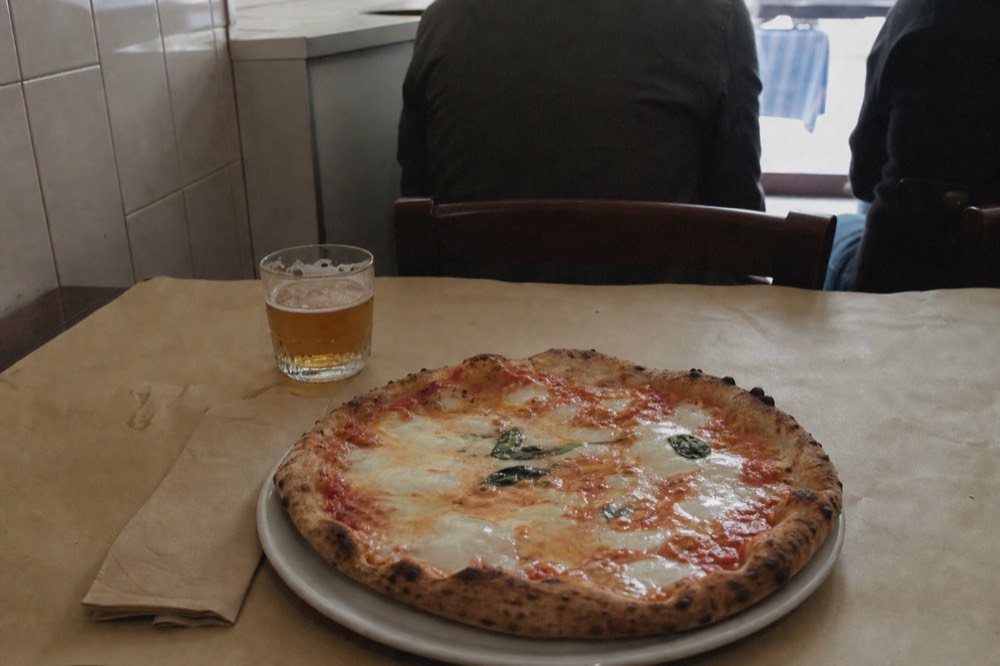
Anthony Bourdain ate at Pizzeria Pellone during season 7, episode 11 of No Reservations, the show's Naples hour. He ordered a traditional margherita and drank a lager with it, praising the simplicity and the quality of the ingredients rather than any technical flourish. Pellone is the pizzeria the episode singles out.
The pick says everything about his method. Pellone is a neighbourhood room, not a monument, and the margherita there is the same three-ingredient test that every Naples pizzeria lives or dies by: tomato, mozzarella, basil, on dough that has rested 8 to 24 hours and spent about a minute in a wood oven. The rules behind it are policed by an association founded in 1984 to defend the recipe, which by late 2025 had certified roughly 600 pizzerias worldwide.
Later travel work took him back through southern Italy more broadly, but the Naples pizza coverage sits in that No Reservations episode.
What else did the Naples episode cover?
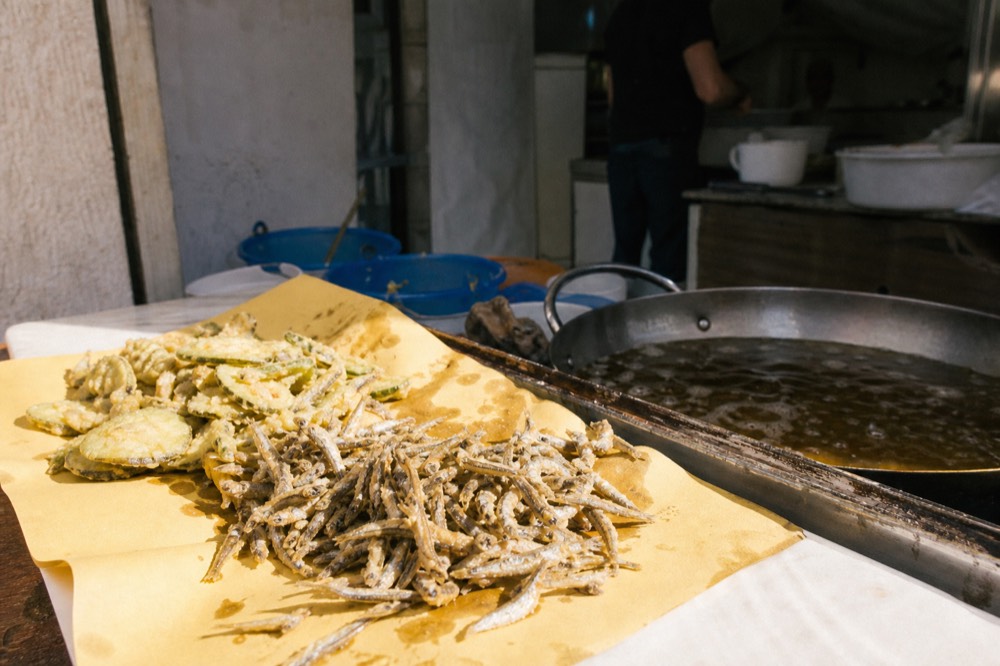
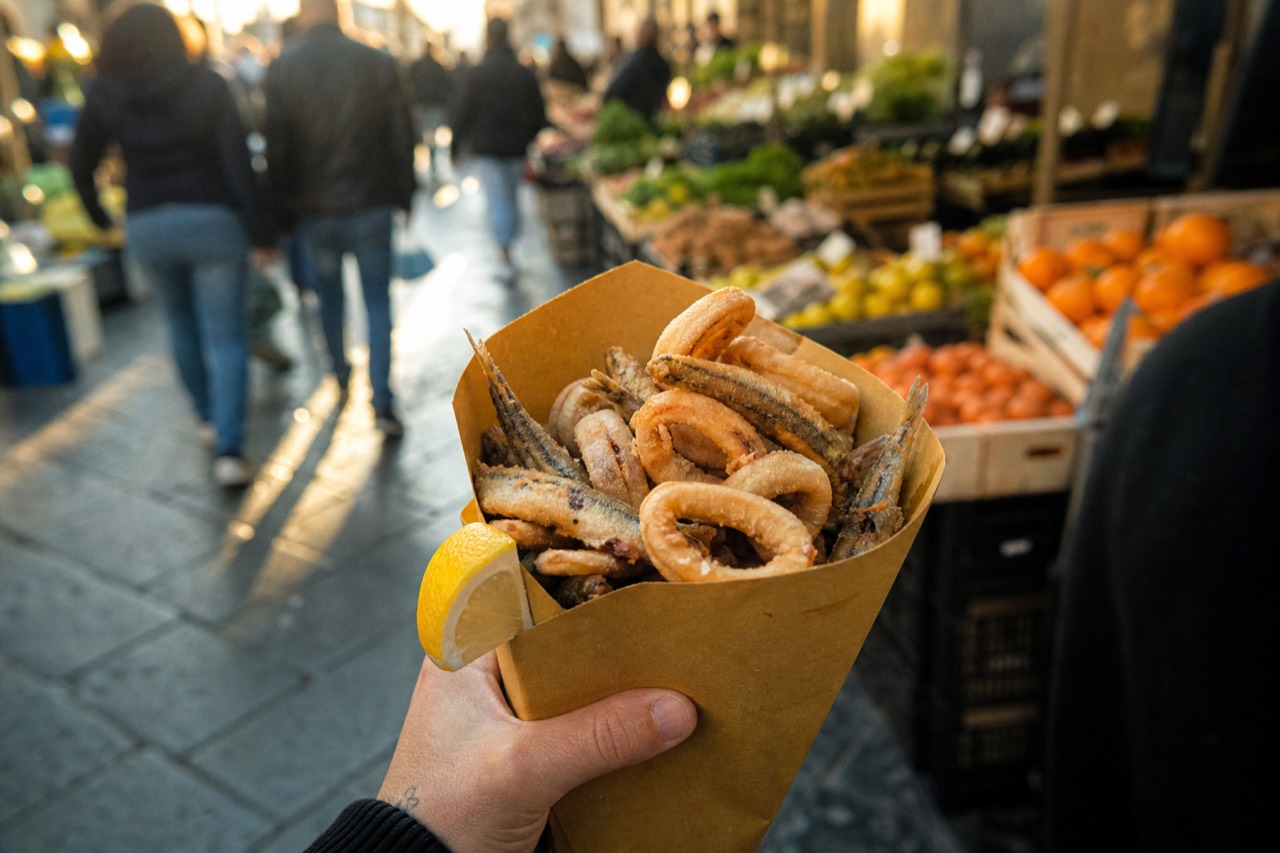
Fried seafood and home cooking carried most of the hour. Deep-fried octopus and anchovies appear alongside the pizza, and the episode also takes in a wedding and a meal cooked at home, which is where Neapolitan food actually lives. Pizza was one thread among several rather than the destination.
That structure is unusual and it is the reason the episode still holds up. Naples is a city where the best cooking is frequently not for sale: ragù that has been on a low flame since morning, pasta baked for a family Sunday, fried food handed over a counter in paper. Restaurants catch some of it. Households keep the rest.
| On camera in the episode | Where it lives in the city today |
|---|---|
| A margherita at Pizzeria Pellone | Neighbourhood pizzerias with no queue and no photo menu |
| Deep-fried octopus and anchovies | Friggitoria counters selling cuoppo cones, €3 to €6 |
| A home-cooked meal | Ragù and baked pasta, rarely on a tourist menu |
| A wedding table | Long family lunches, the source of most Neapolitan recipes |
| A lager with the pizza | Beer ordered with pizza, no ceremony attached |
What did eating where the city eats mean in practice?
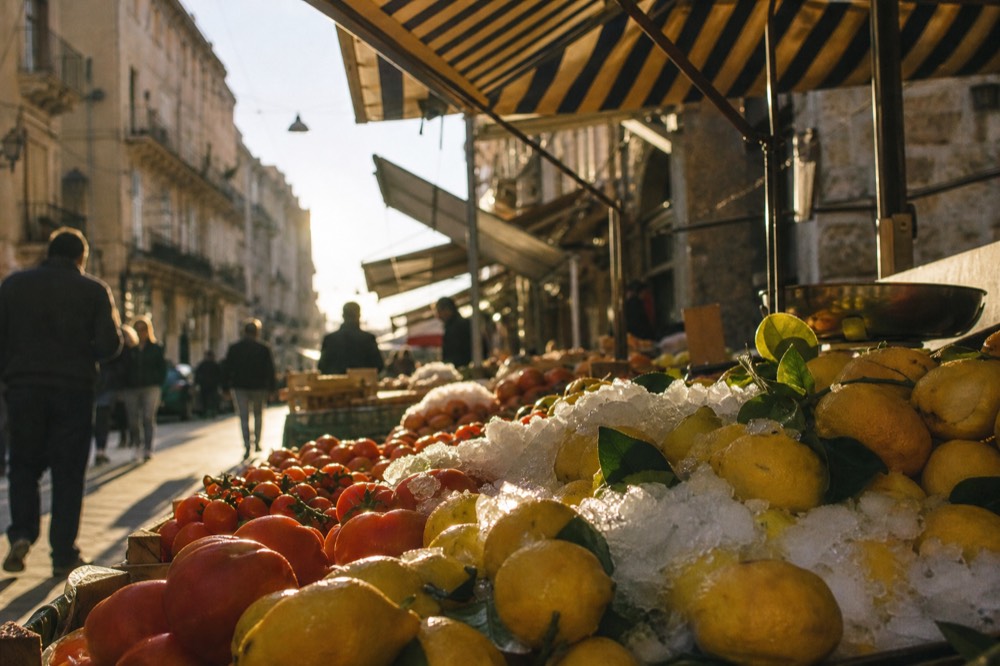
It meant choosing rooms that serve locals on a Tuesday over addresses that serve visitors on a Saturday. In Naples that translates into a few concrete habits: eat fried food standing at the counter it came off, buy pastry where the queue is made of people going to work, and treat market streets as the food destination rather than the backdrop.
La Pignasecca is the clearest example. It is the oldest open-air market in the city, it runs roughly Monday to Saturday from about 9am to 7pm, it closes on Sunday, and its customers are overwhelmingly people shopping for dinner rather than photographing it. The Pignasecca market run covers what to buy and in what order.
The same logic applies to pastry. Attanasio, near the central station, opens Tuesday to Sunday from around 6.30am and closes on Monday, and the queue at 7am is made of commuters. That is the signal to look for.
Where do you find the fried-seafood thread today?
At friggitoria counters, sold as a cuoppo: a paper cone of fried fish, squid, or vegetables and dough scraps, usually €3 to €6. Fried food is the cheapest and most local end of Neapolitan eating, it never involves a booking, and a full circuit of six street stops costs roughly €12 to €15 per person.
Prices have stayed low because the format is built for the city's own residents, not for visitors. The one rule that matters is heat: fried food is worth eating in the first two minutes and worth skipping after ten, which is why walking routes here are planned around counters rather than tables.
| Item | Where the record puts it | Typical price |
|---|---|---|
| Cuoppo of fried fish or vegetables | Friggitoria Vomero, Via D. Cimarosa 44 | €3 to €6 |
| Frittatina | Street counters across the centre | €2 to €3 |
| Pizza fritta | Street counters across the centre | €2.50 to €4 |
| Pizza a portafoglio | Di Matteo window, Via dei Tribunali 94, about 9am to midnight | about €2 |
| Sfogliatella riccia | Attanasio, near the central station, Tue to Sun from about 6.30am | €2 to €2.50 |
| Six-stop circuit on foot | Historic centre and Pignasecca | €12 to €15 |
Our rundown of cuoppo, pizza fritta and frittatina explained goes deeper on what each one contains and which counters to trust. The closest bookable version of this thread is the Pignasecca market walk, which builds its two hours around exactly these fry counters; see its next departures if the fried end of the canon is your priority.
Can you follow his approach on a short trip?
Yes, with one adjustment: local knowledge is what the production crew had and most visitors do not. Naples now takes around 15 million tourist stays a year, so the honest shortcut is either a full day of research or three hours with someone who eats here, then the rest of the trip spent repeating what you learned.
The city has been weighing the benefits and the burdens of that tourism boom since its 2500th anniversary year, and the practical effect on visitors is that the obvious addresses are busier while the good neighbourhood rooms stay quiet. Guided walks are useful precisely because they route around the first group.
Check availability for your dates on the eight-tasting walk that starts at Piazza Bellini, rated 4.9 across 5,699 reviews, or compare the walks built around street food stops that we track, all of them rated 4.7 or better and cancelling free up to 24 hours out.
Which other famous eaters have a Naples address on the record?
Three, and they are all pizza stories. Bill Clinton took a folded pizza from a street window during the 1994 G7, Julia Roberts filmed at da Michele in 2010, and Stanley Tucci filmed at three separate pizzerias in 2021. Guy Fieri and Gordon Ramsay get asked about often, but no dated, sourced Naples visit stands behind either name.
We would rather say that plainly than manufacture an itinerary. The same goes for Diego Maradona: the murals in the Quartieri Spagnoli are real and worth walking past, while the food anecdotes attached to him are tributes rather than records.
If you want the verified versions, there is the pizzeria a 2010 film turned into a queue and Stanley Tucci's three-pizzeria version of Naples. For the places nobody filmed at all, the less obvious food addresses is closer to what the No Reservations crew was actually doing here.