Best Pizza in Naples 2026: Famous Rooms, Real Queues, Honest Picks
Six or seven rooms in this city carry global reputations, and the gap between them is smaller than the gap between their queues. Here is what the record actually supports.
Short answer
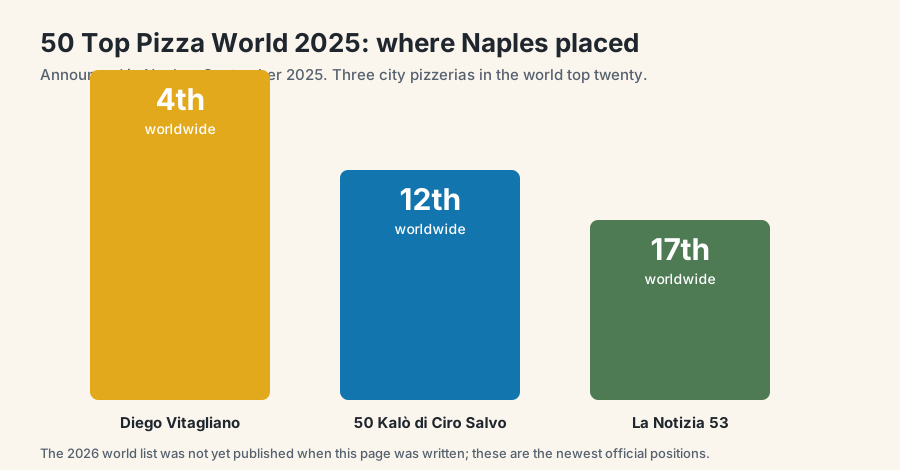
There is no single best pizza in Naples. The 50 Top Pizza world list for 2025 put Diego Vitagliano tied 4th, 50 Kalò 12th and La Notizia 53 seventeenth. Da Michele, in the 2026 Michelin Guide Italia, runs a numbered ticket queue of roughly 20 minutes to two hours and sells a margherita at about €6.50 plus a €1 cover.
The ticket printer by the door does most of the arguing in this city. Stand outside the room on Via Cesare Sersale at eight on a Saturday evening and you will watch a hundred people accept a slip of paper and a wait, for a pizza that costs about the same as two coffees and a bus ticket. Nobody does that for a merely good margherita.
What follows is the record, not a ranking invented for a headline. Award positions come from the published 2025 world list. Prices are the ones that appear in recent reports. Queue times are what visitors describe, not a stopwatch we ran. Where the record is thin, this page says so instead of filling the gap.
What is considered the best pizza in Naples?
No single room holds the title, and the honest answer is a short list rather than a winner. The published 50 Top Pizza world ranking for 2025 placed Diego Vitagliano tied fourth, 50 Kalò di Ciro Salvo twelfth and La Notizia 53 seventeenth. Da Michele, Sorbillo, Brandi and Port'Alba carry the fame. The gap between them is small.
The city has two separate hierarchies and travellers routinely confuse them. One is the critical hierarchy, decided by tasting panels and published as an annual list. The other is the fame hierarchy, decided by films, television, presidents and eighty years of word of mouth. A room can sit near the top of one and nowhere near the other.
50 Top Pizza runs the first of those. Its 2025 world ceremony was held in Naples on or around 8 September 2025, and three Naples rooms landed inside the world top twenty. That is the closest thing the city has to a scoreboard, and it moves every year.
The second hierarchy runs on stories. Da Michele sells marinara and margherita and nothing else, and has done since long before a Julia Roberts scene put it on screens in 2010. Brandi has a letter from 1889. Port'Alba traces its street-vendor origins to 1738. None of that is a taste verdict, but all of it is real, and it explains the queues better than any panel score does.
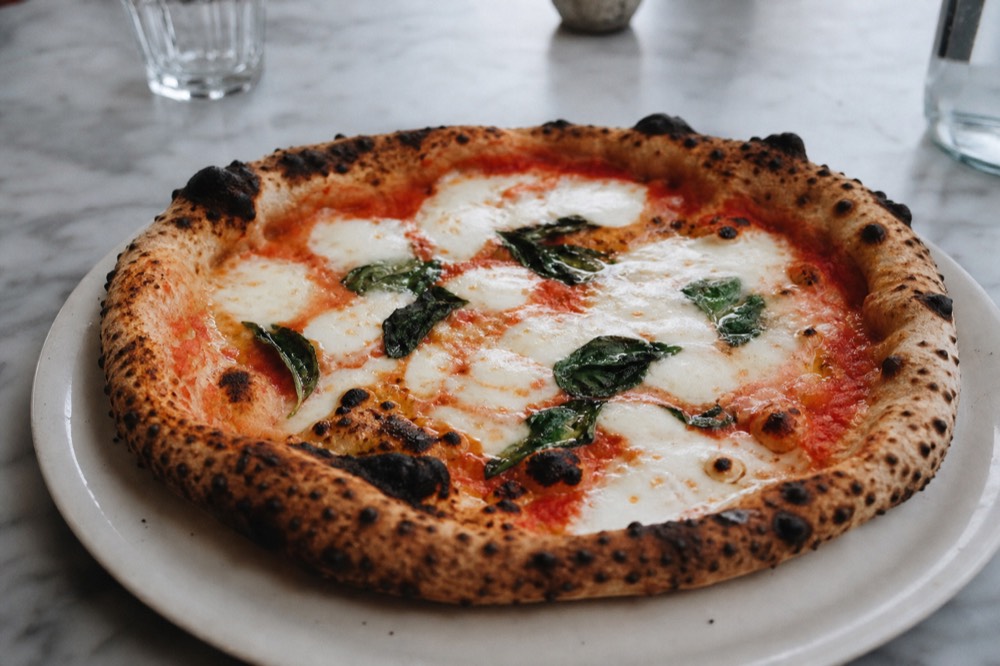
If you want the short version: pick by what you want the evening to be. A pilgrimage, a critical benchmark, or a fast €2 folded pizza eaten standing up. All three are available within about a kilometre of each other, and the third one is covered in detail in our guide to Naples street food.
Which Napoli pizzeria is most famous?
L'Antica Pizzeria da Michele, on Via Cesare Sersale, is the most globally famous. Family roots go back to 1870, the current room dates from 1930, and the 2010 film Eat Pray Love was shot there after the pizzeria closed for a day of filming. It appears in the 2026 Michelin Guide Italia and serves only marinara and margherita.
Fame is measurable here in a way taste is not. Da Michele's is film fame, and film fame travels further than any award. Julia Roberts ate a margherita on screen, the pizzeria shut for a day so the scene could be filmed, and the queue that followed never really went away. The Michelin Guide's own entry for the room confirms the listing without a star, which is the correct picture: no Naples pizzeria holds a Michelin star, and several hold Guide recommendations instead.
Behind Da Michele the fame order gets more interesting. Antica Pizzeria Di Matteo, on Via dei Tribunali, fed Bill Clinton during the July 1994 G7 summit, a pizza a portafoglio with a Coca-Cola, made by pizzaiolo Ernesto Cacialli. Brandi and La Notizia both appeared in the Naples episode of Stanley Tucci's Searching for Italy, first aired on 14 February 2021, alongside Pizza Fritta da Fernanda. Anthony Bourdain filmed a Naples episode of No Reservations and ate a margherita at Pizzeria Pellone.
| Pizzeria | Roots on record | How you get in | The claim to fame |
|---|---|---|---|
| L'Antica Pizzeria da Michele | Family origin 1870, first shop around 1906, current room since 1930 | Numbered ticket for dining in, separate takeaway counter | Eat Pray Love (2010); listed in the 2026 Michelin Guide Italia; marinara and margherita only |
| Gino e Toto Sorbillo | Via dei Tribunali landmark | Name on a list at the door, wait nearby for a shouted call | The Via dei Tribunali queue everyone photographs |
| Antica Pizzeria Brandi | Site founded 1760 as a tavern | Sit-down room, Salita S. Anna di Palazzo | The 1889 royal service and the surviving thank-you letter; filmed for Searching for Italy |
| L'Antica Pizzeria Port'Alba | Street-vendor origins 1738, sit-down from 1830 | Sit-down room, Via Port'Alba 18 | Recognized by the Naples mayor as the oldest pizzeria in the city still operating |
| Antica Pizzeria Di Matteo | Via dei Tribunali 94 | Street window for folded pizza, roughly 9am to midnight | The Clinton pizza of July 1994 |
| La Notizia 53 | Enzo Coccia's room | Sit-down | 17th in the 50 Top Pizza world list for 2025; filmed for Searching for Italy |
| Diego Vitagliano Pizzeria | Modern-era name | Sit-down | Tied 4th in the 50 Top Pizza world list for 2025 |
One caution on that table. We could not find current published 2025 or 2026 menu prices for Sorbillo, Di Matteo's sit-down room, Concettina ai Tre Santi, 50 Kalò or Port'Alba in recent sources, so this page prints none. Anyone quoting exact euro figures for all of them is guessing.
How long is the queue at Da Michele, really?
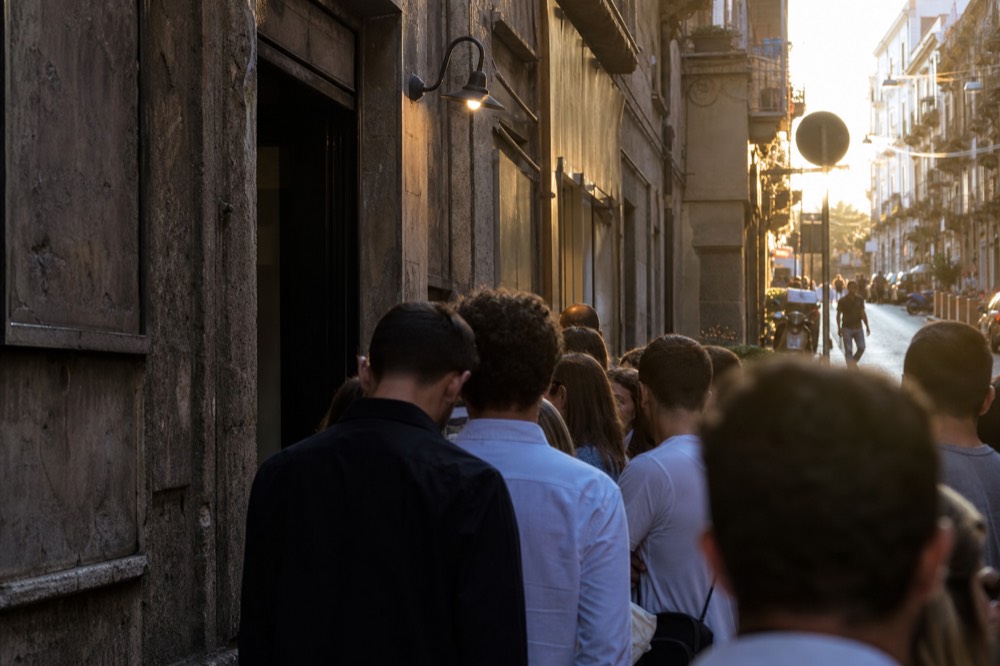
Visitors describe a numbered ticket system for dining in, kept separate from the takeaway counter, with waits that run from about 20 minutes up to roughly two hours at peak dinner and Saturday-night times. The standing advice in recent reports is simple: arrive before opening, or come during the afternoon lull.
The ticket is the part people get wrong. You do not join a physical line and hold your place. You take a number, you go and stand somewhere in the street with everyone else holding numbers, and you listen. Takeaway runs on its own track, which is why the crowd outside always looks larger than the wait actually is.
Sorbillo works differently. There is no printed ticket. A staff member writes your name on a list at the door, you wait nearby, and eventually your name gets shouted over the noise of Via dei Tribunali. It rewards standing close and paying attention, and it punishes wandering off for a drink.
| When you arrive | Reported wait band at Da Michele | What that feels like in practice |
|---|---|---|
| Just before opening | Bottom of the range, near the 20-minute mark | The one slot everyone who has done it recommends |
| Early lunch | Low to middle of the range | Tickets move steadily, street is walkable |
| Mid-afternoon lull | Bottom of the range | The second soft window named in visitor reports |
| Standard dinner hour | Middle to upper end, past an hour | The crowd photographs well and moves slowly |
| Saturday evening peak | Top of the range, around two hours | Plan an aperitivo elsewhere first, or skip it |
Read that table as bands, not promises. The 20-minute floor and the two-hour ceiling are what recent visitors report; where any given evening lands inside that range depends on the season, the weather and how many ships are in port. Naples logged roughly 15 million tourist stays in 2025, up about 4% year on year, and summer averages about three cruise liners docking daily. Queue length is downstream of that.
If a two-hour wait for a €6.50 pizza sounds like a poor trade, it often is. The evening alternative most travellers land on is a walking format that puts pizza in front of you without the line: you can see what your date still has open for the evening pizza and drinks route, which runs about three and a half hours and covers pizza three ways.
What does the 50 Top Pizza world list actually say about Naples?
The 2025 world ranking, announced at a Naples ceremony on or around 8 September 2025, placed three Naples pizzerias inside the top twenty: Diego Vitagliano tied fourth, 50 Kalò di Ciro Salvo twelfth, and La Notizia 53 seventeenth. The 2026 world list has not been published yet, so no 2026 positions exist to quote.
This matters because the list is the only recurring, published, panel-judged verdict the pizza world has, and because it is routinely misquoted. Regional editions for 2026 have appeared, including the USA list, and the world ceremony has been referenced for mid-September 2026. Until that happens, any page printing 2026 world positions for Naples rooms has made them up.
| 50 Top Pizza World 2025 | Position | Notes on record |
|---|---|---|
| Diego Vitagliano Pizzeria | Tied 4th | Highest-placed Naples room on the 2025 world list |
| 50 Kalò di Ciro Salvo | 12th | Also carries Michelin Guide recognition |
| La Notizia 53 (Enzo Coccia) | 17th | Coccia noted as an early recipient of Guide recognition; filmed for Searching for Italy |
| 2026 world list | Not published | Ceremony referenced for mid-September 2026 |
The other credential worth understanding is the Michelin one, and it is easy to overstate. No Naples pizzeria holds a star. What several of them hold is a Guide listing or recommendation: Concettina ai Tre Santi, 50 Kalò and La Notizia among them, with Da Michele listed in the 2026 Guide Italia. A Guide entry means inspectors rate the room worth eating in. It does not mean stars, and nobody in Naples pretends otherwise.
What should a real Neapolitan pizza look and taste like?
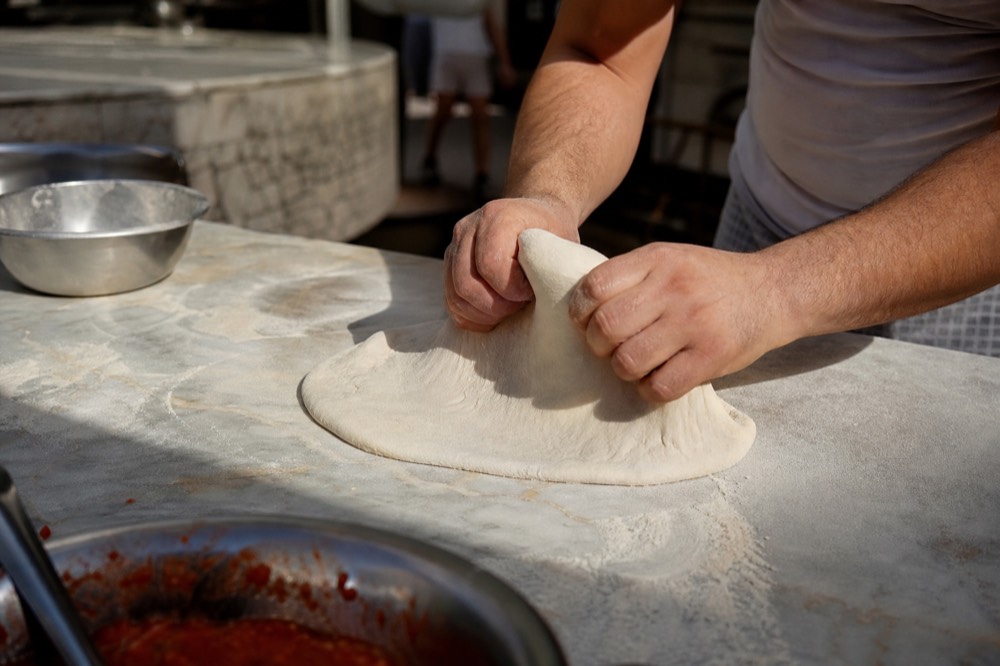
The Associazione Verace Pizza Napoletana, founded in 1984, publishes the spec: a wood-fired oven at 430 to 480°C, a bake of 60 to 90 seconds, dough rested 8 to 24 hours, balls of 200 to 280 grams, a disc no wider than 35cm, and a raised rim of 1 to 2cm. UNESCO inscribed the pizzaiuolo craft in 2017.
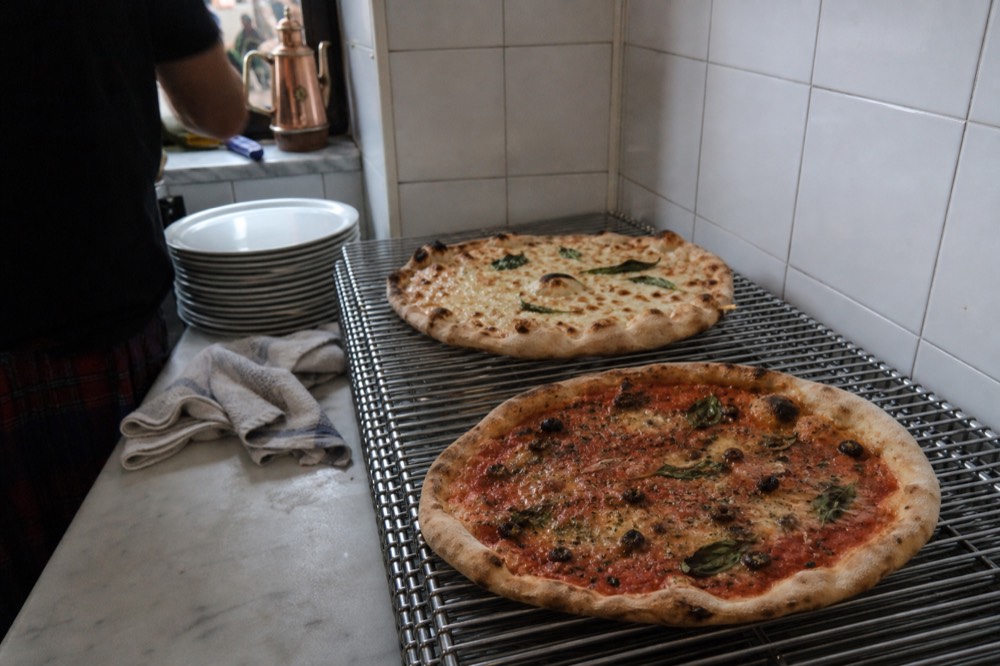
Those numbers are useful because they turn a vague opinion into something you can check with your eyes. A pizza that spent ninety seconds against a 450-degree floor comes out with leopard spotting on the rim, a base that flops when you lift a slice, and a wet centre. That last part startles people. The middle is meant to be soft and slightly soupy, which is why locals fold rather than lift.
| What to look for | The published spec | What it means at the table |
|---|---|---|
| Oven | Wood-fired, 430 to 480°C | Visible flame at the side, floor hot enough to blister in seconds |
| Bake time | 60 to 90 seconds | Your pizza arrives fast, sometimes uncomfortably fast |
| Dough rest | 8 to 24 hours | Light, airy rim rather than a dense biscuit |
| Dough ball | 200 to 280 grams | One pizza per person is the normal order |
| Diameter | 35cm maximum | It overhangs the plate; that is correct |
| Cornicione | Raised 1 to 2cm | Puffed, spotted, hollow-sounding when torn |
The full AVPN recipe and technical rules go further than most visitors need, into flour strength and San Marzano tomatoes. The short version is that the wet centre is a feature, the char is a feature, and a pizza that arrives crisp all the way through is a different food from a different city.
Understanding the spec is also the fastest way to stop chasing names. Once you can read an oven and a rim, dozens of unremarked neighbourhood rooms become obvious candidates, which is really what the neighbourhood-by-neighbourhood food geography is for.
Which Naples pizzerias hold the deepest history?
Port'Alba is the oldest still operating: street-vendor origins in 1738, a sit-down room from 1830, and formal recognition from the Naples mayor as the city's oldest working pizzeria. Brandi's site was founded in 1760 as a tavern and holds a documented June 1889 thank-you letter from the royal household. Da Michele's family line starts in 1870.
The history is better documented than the mythology suggests, and messier. Historian Antonio Mattozzi's archival work frames 1830 as the first known dedicated sit-down pizzeria, with 54 pizzerias already documented in Naples by 1807. So Port'Alba's claim rests on two dates doing different jobs: 1738 for the peddler operation that supplied street vendors, 1830 for the room with tables.
The margherita story needs the same care. Brandi's own history page records that in 1889 Raffaele Esposito served Queen Margherita of Savoy, and that a thank-you letter dated June 1889, signed by Galli Camillo of the royal table services, survives and praises a pizza with tomato and mozzarella. What is documented is the service and the thanks. The tomato, mozzarella and basil combination appears in print as early as 1866, so "invented for the queen" is the popular version and the letter is the evidentiary one. Both can be told honestly in the same paragraph, and the honest version is the better story.
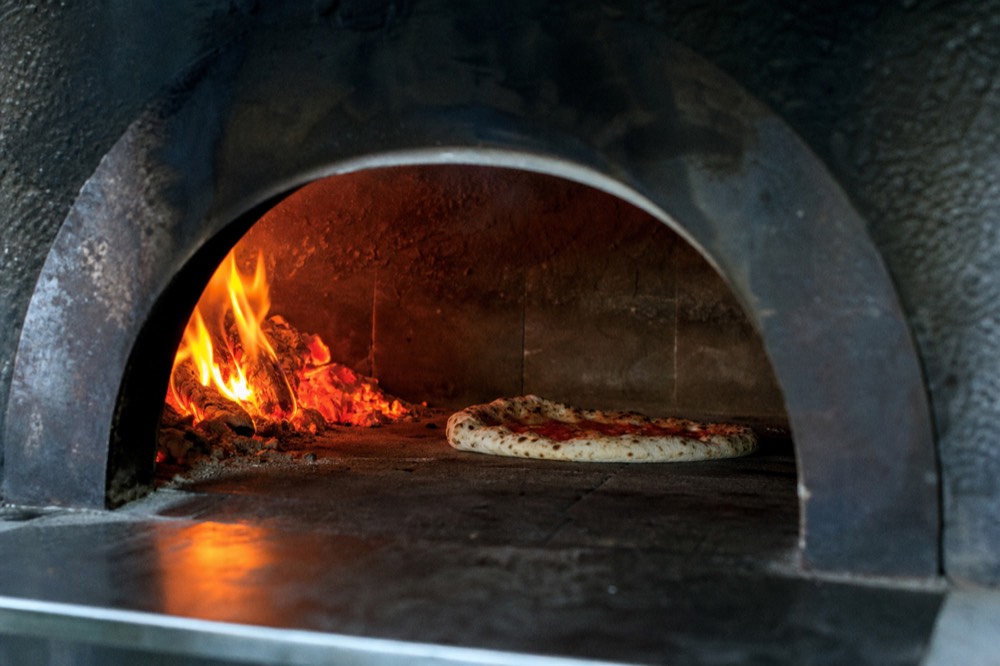
Da Michele's own line is straightforward by comparison. The family origin is given as 1870 under Michele Condurro, the first dedicated shop around 1906, and the current Via Cesare Sersale room since 1930. For the long version of the oldest-pizzeria argument, including where Port'Alba's two dates come from, see our post on the world's oldest pizzeria.
What does a margherita cost across the famous rooms?
A margherita at Da Michele is reported at about €6.50 with a €1 cover charge, and around €7 in another recent reference. Naples generally sits at roughly €6.50 to €7 for a margherita in the famous rooms, well under Rome and Florence for a comparable casual meal. Street formats start at about €2.
The price ladder below is the part travellers underestimate. The distance between the cheapest and the most expensive thing on it is roughly five euro. That is the entire economic argument for eating pizza in Naples: the ceiling is low, so the queue, not the bill, is the real cost.
| Format | Reported price | Where the figure comes from |
|---|---|---|
| Pizza a portafoglio, folded, eaten standing | About €2 | The Di Matteo street window, Via dei Tribunali 94 |
| Pizza fritta, fried and stuffed | €2.50 to €4 | Friggitorie along the Spaccanapoli axis, spots such as Starita a Materdei |
| Cuoppo, a paper cone of fried seafood or vegetables | €3 to €6 | Friggitoria Vomero, Via Domenico Cimarosa 44 |
| Sfogliatella riccia | €2 to €2.50 | Historic-centre pasticcerie; frolla runs €1.50 to €2 |
| Sit-down margherita, famous room | About €6.50 plus €1 cover | Recent reports on Da Michele |
| A full casual circuit for the day | €12 to €15 | Folded pizza, a cuoppo and a pastry, commonly cited |
Two honest caveats. First, the cover charge is normal and is not a tip. Second, published current prices for most of the other famous rooms are not available in recent sources, so treat any exact figure you see elsewhere with suspicion. If the budget question is the one you actually care about, we break it down further in how much a pizza costs in Naples.
Where should you eat, neighbourhood by neighbourhood?
Nearly every famous room sits inside one kilometre of the historic centre, along the Via dei Tribunali and Spaccanapoli axis. Vomero, up the hill, holds the classic friggitoria. Materdei is fried-pizza territory. The area by Stazione Centrale is where the sfogliatella queue forms early.
Geography is the practical filter here, because walking twenty minutes across the centre in August with a full stomach is worse than it sounds. Group your day by axis, not by fame.
| Area | What it is known for | Anchor address on record |
|---|---|---|
| Via dei Tribunali | The dense pizzeria strip, folded pizza windows, Sorbillo's door list | Di Matteo, Via dei Tribunali 94, roughly 9am to midnight |
| Via Cesare Sersale, near Forcella | The ticket-queue pilgrimage | L'Antica Pizzeria da Michele |
| Via Port'Alba, off Piazza Dante | The oldest working room, book-stall street | L'Antica Pizzeria Port'Alba, Via Port'Alba 18 |
| Chiaia, near the royal palace | The 1889 royal-service room | Antica Pizzeria Brandi, Salita S. Anna di Palazzo |
| Spaccanapoli | Pastry benchmarks and fried-pizza windows | Scaturchio, Piazza San Domenico Maggiore |
| Vomero, up the hill from the centre | The cuoppo institution | Friggitoria Vomero, Via Domenico Cimarosa 44 |
| Near Stazione Centrale | Hot sfogliatella from about 6:30am, closed Mondays | Attanasio, Vico Ferrovia |
| Montesanto and Pignasecca | Working street market, frying stalls, local-first | La Pignasecca, Monday to Saturday, roughly 9am to 7pm |
Quartieri Spagnoli deserves its own note. Its reputation has improved and it is now one of the better street-food areas in the city, though small alleys after dark still warrant the same caution you would apply in any dense old quarter. Daytime is unremarkable. The market and neighbourhood detail lives in our Naples food markets guide.
Is a pizza class a better use of an evening than a queue?
For a lot of travellers, yes. A three-hour class runs about $43, ends with a diploma and the recipes, and rates 4.9 across 3,599 reviews. A Saturday-night ticket queue can absorb two hours before you sit down. The class costs more than the pizza and less than the evening the queue takes.
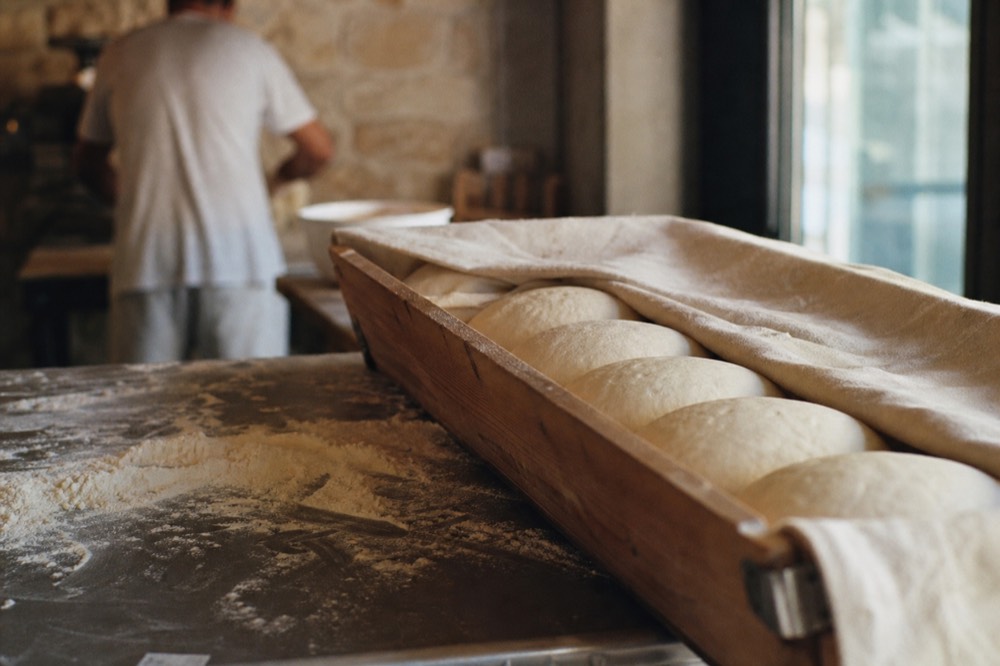
This is not an argument that the famous rooms are overrated. It is an argument about how a finite evening gets spent. Two hours in a street holding a numbered slip produces one pizza and a photograph. Three hours with a pizzaiolo produces the technique, an oven you are allowed to stand next to, and dinner.
| The two evenings | Ticket queue at a famous room | Hands-on pizza class |
|---|---|---|
| Time committed | 20 minutes to about 2 hours waiting, plus the meal | About 3 hours, all of it doing something |
| Cost | About €6.50 plus a €1 cover | From $43 per person |
| What you leave with | A margherita and the story | Your own pizza, the recipes, a diploma |
| Certainty | None; the wait is whatever it is that night | A booked start time |
| Rating on the listing | Not applicable | 4.9 across 3,599 reviews |
| If plans change | Walk away | Free cancellation up to 24 hours before |
The class options split by what you want alongside the dough. The flagship three-hour session pairs pizza with tiramisu, a seafront version pairs it with wine, another finishes with gelato, and there is a pasta variant for people who have had enough pizza by day three. All of them sit on our pizza and cooking class comparison, and the flagship itself is the one where you can check class sessions and the current price directly.
If you would rather eat than cook, a guided walk covers the same historic-centre axis and its tastings run through the fried and folded end of the repertoire. The flagship street food walk starts at Piazza Bellini and rates 4.9 across 5,699 reviews; check availability for your dates if the walking version fits better. The full set is on the street food walking tours page, and the do-it-yourself version of roughly the same route is mapped in our self-guided food route.
How do locals actually order and eat it?
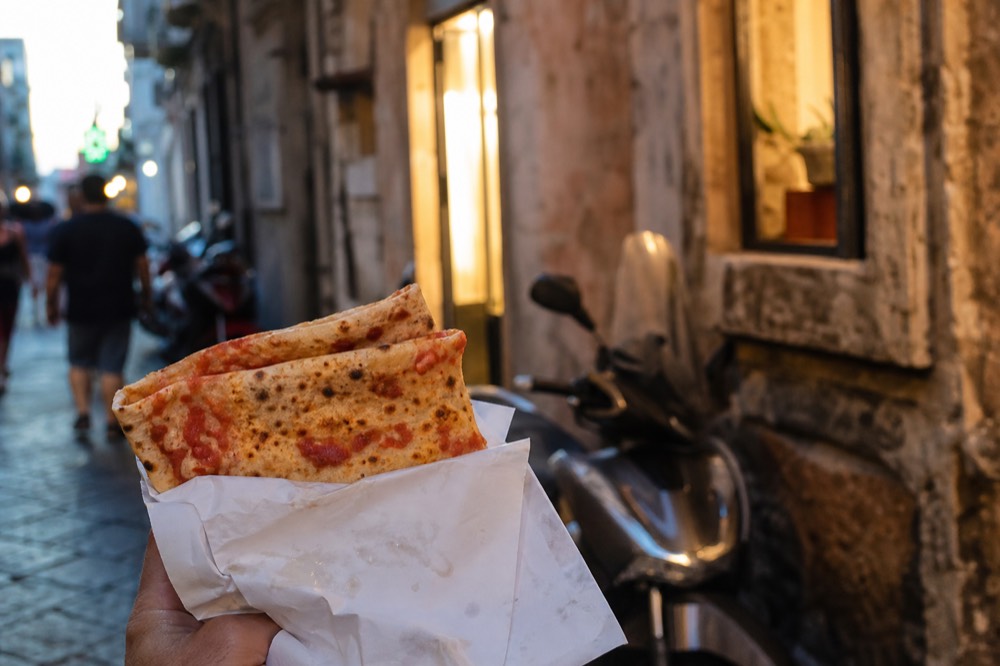
One pizza per person, no sharing, no side salad, and often no starter. The centre is soft by design, so a slice is folded into quarters rather than lifted flat. Folded street pizza, the portafoglio, is a separate format eaten walking, and costs about €2 rather than €6.50.
The fork question comes up constantly. Cutlery at the table is normal and nobody will look at you strangely for using it, particularly for the first minute while the centre is molten. What marks the local move is the fold: quarter the pizza, fold a quarter in half again, eat from the point inward so the wet middle stays contained. It works because the dough was made to bend.
Drink order is simpler than visitors expect. Beer or a soft drink at the casual rooms, wine at the sit-down ones, and water that arrives without being asked for. The cover charge on the bill covers the table and the bread if any comes. We go deeper on the mechanics in how to properly eat a Neapolitan pizza, and on why the craft carries this much weight in why Naples pizza is so famous.
How should you plan a pizza day in Naples?
Eat something folded and cheap at midday, keep the sit-down pilgrimage for a weekday and arrive at opening or in the afternoon lull, and put the second pizza in the evening at a room nobody queues for. Two pizzas, one pastry and a cuoppo lands around €12 to €15 before drinks.
The mistake is treating one famous room as the entire day. Naples supports two pizzas a day comfortably, because the portions are single-person and the formats differ. Morning belongs to pastry: Attanasio opens around 6:30am Tuesday to Sunday and closes Mondays, and the queue there is short and fast compared to anything pizza-related.
Weekday over weekend, always, if the schedule allows. Saturday evening is where the two-hour waits live. Cruise-ship days compress everything in the historic centre, and with a 2026 forecast of about 1.75 million cruise passengers across 510 calls, those days are frequent through the summer. Nothing about that is fixable, but it is schedulable.
One last piece of arithmetic. If your trip is short, decide honestly which of the three experiences you actually want: the film-famous room, the panel-ranked room, or the technique. They rarely fit into one evening. The first two are a queue and a booking. The third is a class, and it is the only one of the three that gives you something to take home. Whichever way you go, the full lineup of food experiences is worth a scan first, and the broader question of what else to eat here is answered in our guide to what to eat in Naples.
Prices, positions and waits on this page are the ones on record at the time of writing, and the pizza world reshuffles every September.