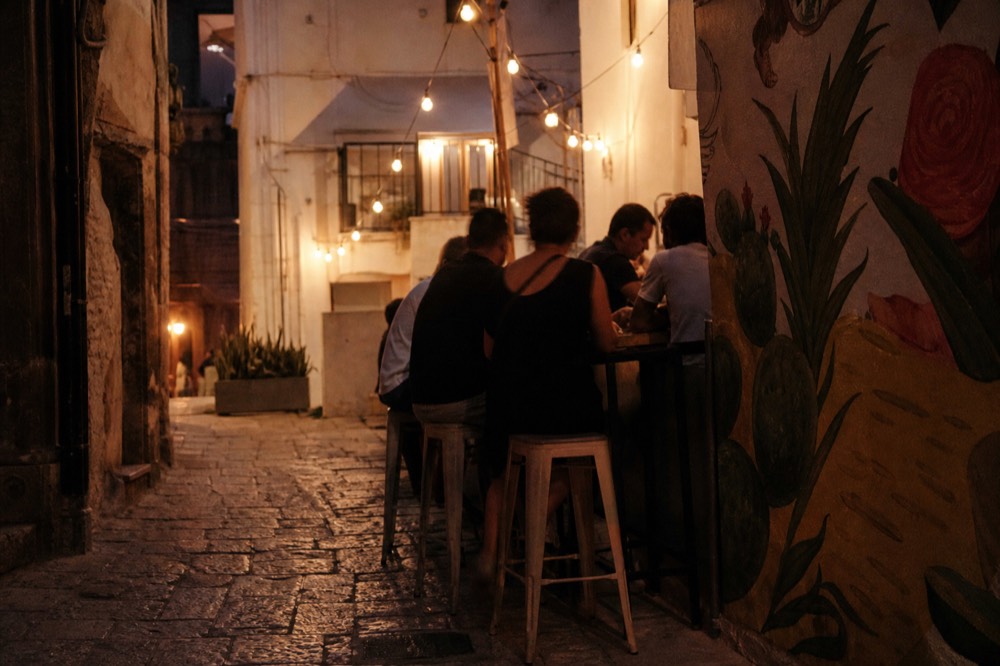
Naples Food Neighborhoods: Which District to Eat In, and Where Locals Actually Go
Naples is small enough to walk across and divided enough that the pizza on one street and the pizza four streets uphill belong to different worlds. Which district you eat in decides more here than in almost any other Italian city.
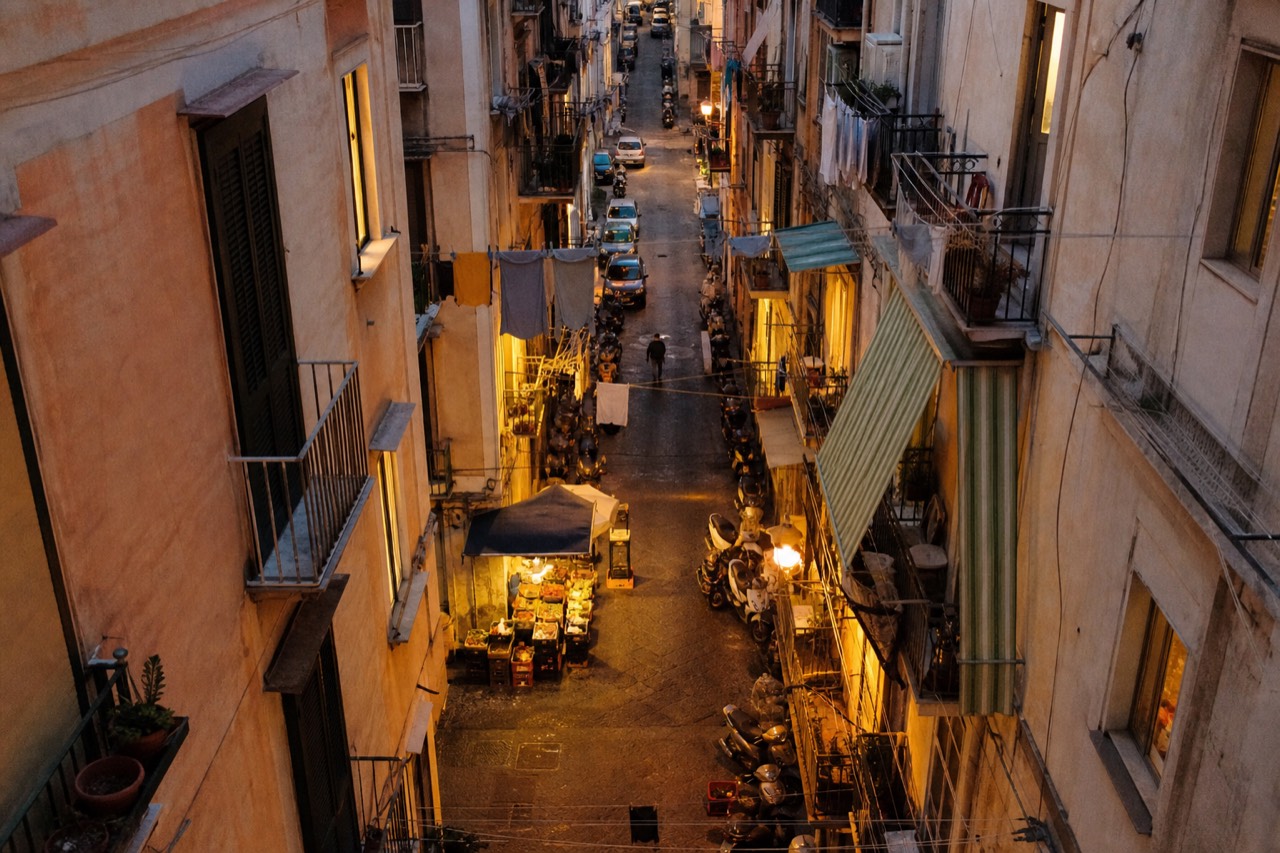
Short answer
Eat pizza on the Spaccanapoli and Via dei Tribunali axis, street food in the Quartieri Spagnoli, market food around the Pignasecca in Montesanto, fried food up in Vomero, and take the seafront at Chiaia for the evening. Pastry belongs near Stazione Centrale, where one counter opens around 6:30am, Tuesday to Sunday.
Which Naples neighborhood should you eat in?
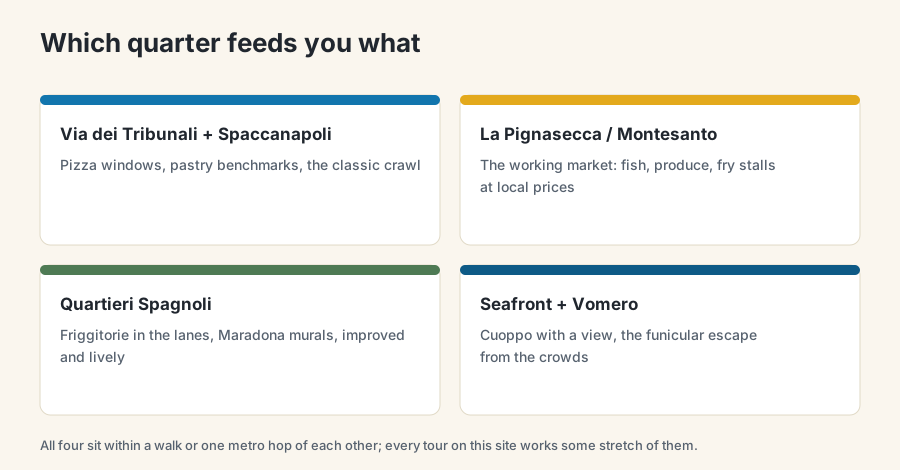
All of them, in a specific order. The historic center axis of Spaccanapoli and Via dei Tribunali owns pizza. The Quartieri Spagnoli owns street food. Montesanto and the Pignasecca own the market. Vomero owns the fry counters. Chiaia and the Lungomare own the evening, and the station area owns pastry.
Most Italian cities have a food center and a periphery. Naples has half a dozen food districts inside a stretch you can walk end to end, each with a genuine speciality and each with a different crowd. That density is the reason a two-day trip here can be more satisfying than a week somewhere else, and also the reason people who stay near the station and never move end up eating badly.
The geography is old and it is economic rather than aesthetic. The historic center kept the ovens because that is where the population was densest. The hill neighborhoods kept the friggitorie because they were residential and needed cheap cooked food. The seafront got the promenade trade. None of it was planned and all of it survives.
| District | What it owns | Best hour | Who is there |
|---|---|---|---|
| Spaccanapoli and Via dei Tribunali | pizza, seated and folded | 11am, and again after 8pm | everyone, at maximum density from 10 to 4 |
| Quartieri Spagnoli | street food, small counters, home-style frying | daytime, and evenings on the main lanes | residents, plus a fast-growing visitor crowd |
| Pignasecca and Montesanto | the market, raw produce, fish, cheese | 9 to 11am, Monday to Saturday | almost entirely local |
| Vomero | cuoppo and the fry counters | late afternoon, after 16:30 | residential, middle-class, few tourists |
| Chiaia and the Lungomare | aperitivo, taralli, the evening walk | 6 to 8pm | locals walking, and everyone else by 9 |
| Around Stazione Centrale | sfogliatella and pastry | before 9am | commuters and people with a train to catch |
Where do locals eat in Napoli?
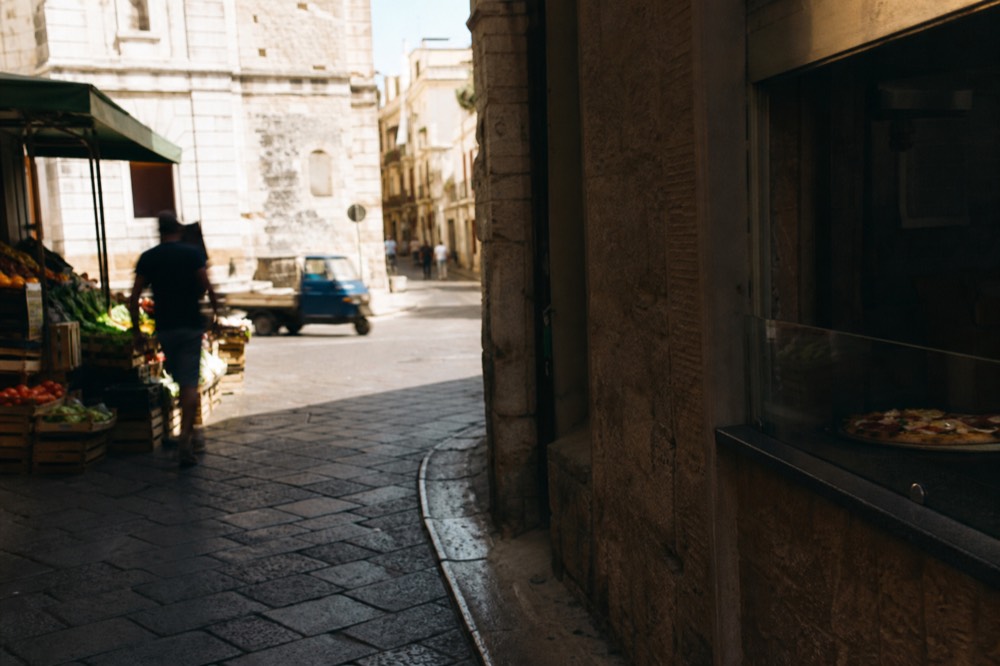
Away from the main axis, and at different hours. Locals eat at bar counters before nine, from fry counters between five and seven, and at neighborhood pizzerias in the Quartieri, Vomero and Montesanto rather than the famous rooms in the historic center. The market district is where they shop.
The clearest tell is timing rather than location. Nobody who lives here queues for ninety minutes at 8pm for a margherita. They eat at their local pizzeria at half past nine on a Tuesday, or they take a folded pizza from a window because they are walking somewhere. The famous rooms are not tourist traps, they are genuinely good, but they are visited by locals for occasions rather than for dinner.
The second tell is the counter. A remarkable amount of daily eating in Naples happens standing up in the ninety seconds between ordering and leaving: espresso in the morning, a frittatina at five, a taralli bag on the seafront. If you want to eat the way the city eats, spend less time sitting down.
| Situation | What locals do | What most visitors do | The gap |
|---|---|---|---|
| Breakfast | pastry and espresso standing at a bar counter, before 9 | hotel buffet | the best sfogliatella of the day is gone by mid-morning |
| Weekday lunch | a folded pizza from a window, about €2, eaten walking | a seated lunch on the main axis | an hour and about €10 |
| Mid-afternoon | frittatina or crocchè from a fry counter | nothing, or gelato | the single most underrated item in the city |
| Dinner, ordinary night | a neighborhood pizzeria at 9 or 9:30pm | the famous room at 8pm, in a queue | 60 to 90 minutes of waiting |
| Sunday | pastry boxes bought at noon, long family lunch | the same as any other day | the most local hour of the week |
| Aperitivo | taralli and a drink, walking the Lungomare | a seated bar with a cover charge | the price, and the view |
There is no secret to any of this and none of it requires a contact. It requires walking three streets off the axis and arriving at a different hour. That is also the honest case for a private route built around your own list rather than a fixed one, which is what the ten-tasting option below does. For the item-level detail behind these habits, the complete Naples dish list covers what to order and when.
Spaccanapoli and Via dei Tribunali: the pizza spine
These two parallel streets cut straight through the historic center and hold the densest run of wood-fired ovens in the world. Via dei Tribunali is the pizza street: Di Matteo's window at number 94 sells folded pizza at about €2 from roughly 9am to midnight, and Sorbillo runs a name-on-a-list system a short walk along it.
Spaccanapoli is the lower of the two, a dead-straight ancient street line you can pick out from the hills above, and it functions as the main pedestrian artery of the old city. Via dei Tribunali runs parallel a block up and is where most of the ovens are. Between them sit churches, courtyards, university buildings and a permanent crush of people between about ten in the morning and four in the afternoon.
The history is stacked here too. L'Antica Pizzeria Port'Alba at Via Port'Alba 18 traces its street-vendor origins to 1738 and became a sit-down pizzeria in 1830, and the city recognises it as the oldest pizzeria in Naples still operating. Historian Antonio Mattozzi's research frames 1830 as the first known dedicated pizzeria, with 54 pizzerias already documented in the city by 1807. It is still open.
The practical advice for this axis is about hours rather than addresses. Eat here before eleven or after eight. In between, it belongs to day-trippers and cruise passengers, and an average of three liners dock daily in summer. If you want the ranked version of which oven to pick, where to find the best pizza goes room by room.
Quartieri Spagnoli: the district that changed
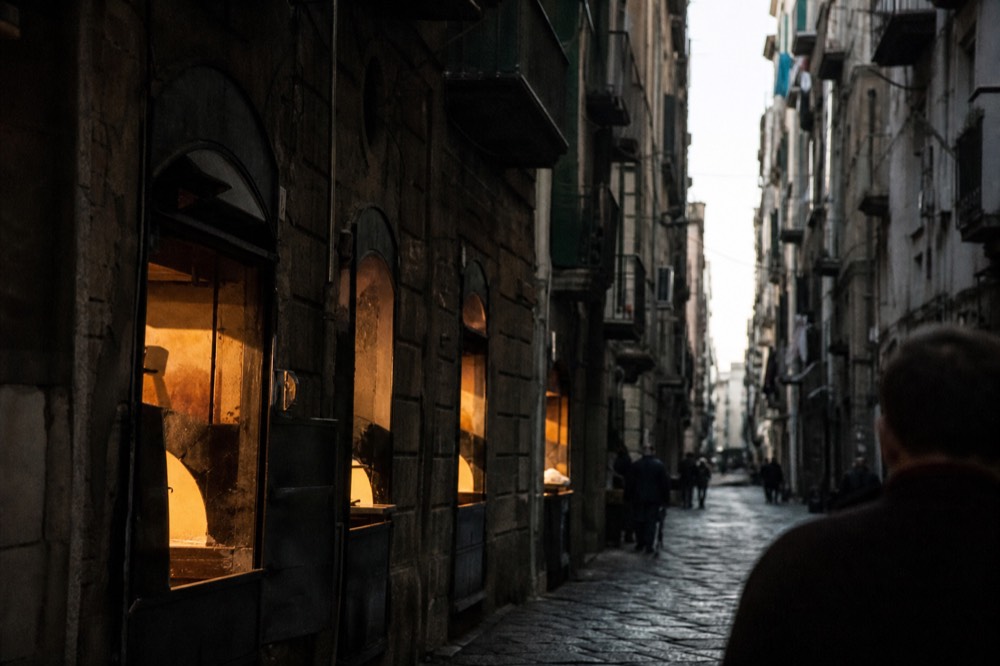
The Quartieri Spagnoli is the tight grid of alleys climbing west off Via Toledo, laid out centuries ago to house Spanish garrisons. It spent decades with a bad reputation and now has an improved one, driven partly by street food and partly by the Maradona murals. Main lanes are fine, small alleys warrant caution at night.
The change here is real and worth describing accurately rather than either way. This was a district visitors were told to avoid. It is now one of the most interesting eating areas in the city, full of small counters, home-style frying, and pizzerie that never appear on a list. The murals dedicated to Maradona pull a steady crowd up from Via Toledo and have changed the economics of several lanes.
What has not changed is the shape of the place. It is steep, it is narrow, scooters use it as a through route, and the alleys at the top are residential in a way that means you are walking past someone's front door. Daytime is straightforward. At night, stick to the lanes with people and light on them, and use the same instincts you would use in any dense city.
The food here rewards a guide more than anywhere else in Naples, because the counters are unmarked and the good ones are not on the main climb. A small-group route through this district is one of the cheapest ways to see it properly: see the Spanish Quarter route and its start times. If you would rather explore it alone, street food item by item covers what you will find on those trays.
Pignasecca and Montesanto: where the city shops
La Pignasecca is the oldest open-air market in Naples, running Monday to Saturday from roughly 9:00 to 19:00 and closed Sunday. It sits at Montesanto, where the funicular, the Cumana line and Metro Line 2 all meet. This is the least tourist-facing food district in the city and the best one before noon.
Montesanto is a working transport knot with a market wrapped around it, and the combination is the whole appeal. Fish comes in early, the produce crates are on the pavement by half past nine, and there are fry counters and friggitorie mixed in among the raw stalls, Fiorenzano among them. Nobody is performing for anybody.
It is also the natural hinge between districts. The Quartieri Spagnoli starts uphill from the market. Via Toledo and Metro Line 1 are downhill. The funicular from Montesanto goes up to Vomero. You can start a day here and end it in three completely different neighborhoods without ever taking a taxi.
The one caveat is timing, because this district runs on the market clock. By two in the afternoon the fish trays are picked over and several stalls have gone. Sunday it is shut entirely. Our Pignasecca market guide covers stall by stall what is sold, how to buy by weight, and what a market morning costs.
| From | To | How | Note |
|---|---|---|---|
| Montesanto | Vomero | funicular | the fastest way up the hill, and the standard local route |
| Montesanto | Via Toledo and Metro Line 1 | on foot, downhill | Toledo and Dante stations are worth seeing for the art alone |
| Pignasecca | Quartieri Spagnoli | on foot, uphill | a few minutes, straight into the alley grid |
| Historic center | Chiaia and the Lungomare | on foot along Via Toledo, or Metro Line 1 | a long, easy walk that improves as it goes |
| Anywhere central | Stazione Centrale | Metro Line 1 or Line 2 | Line 6 has been fully open since July 2024 |
| Airport | city center | road only | the Line 1 airport station was over 95% built in late 2025 but is not open |
Chiaia and the Lungomare: the seafront eating strip
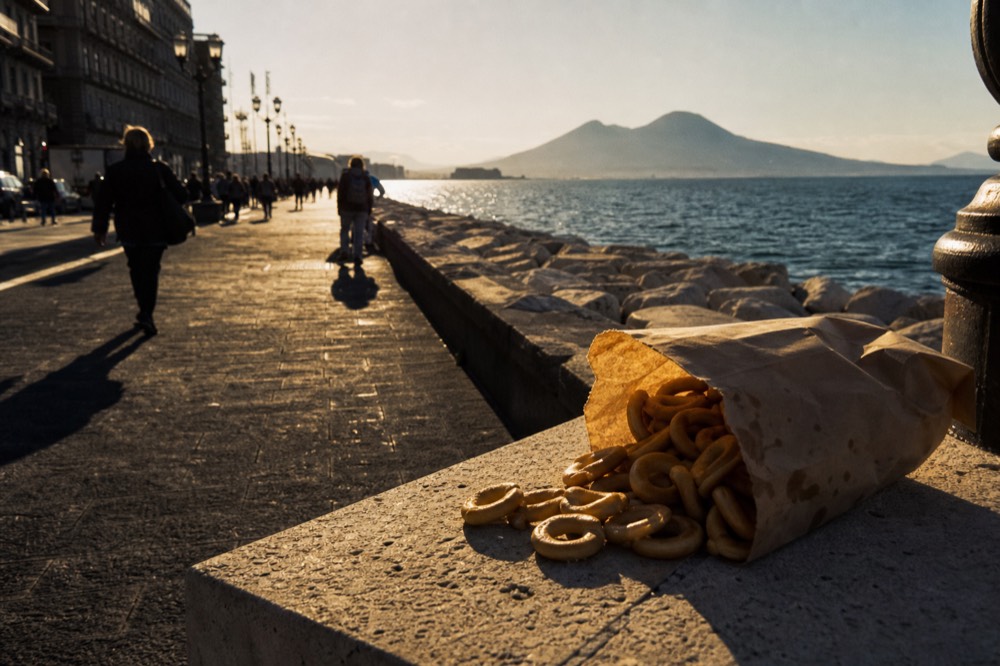
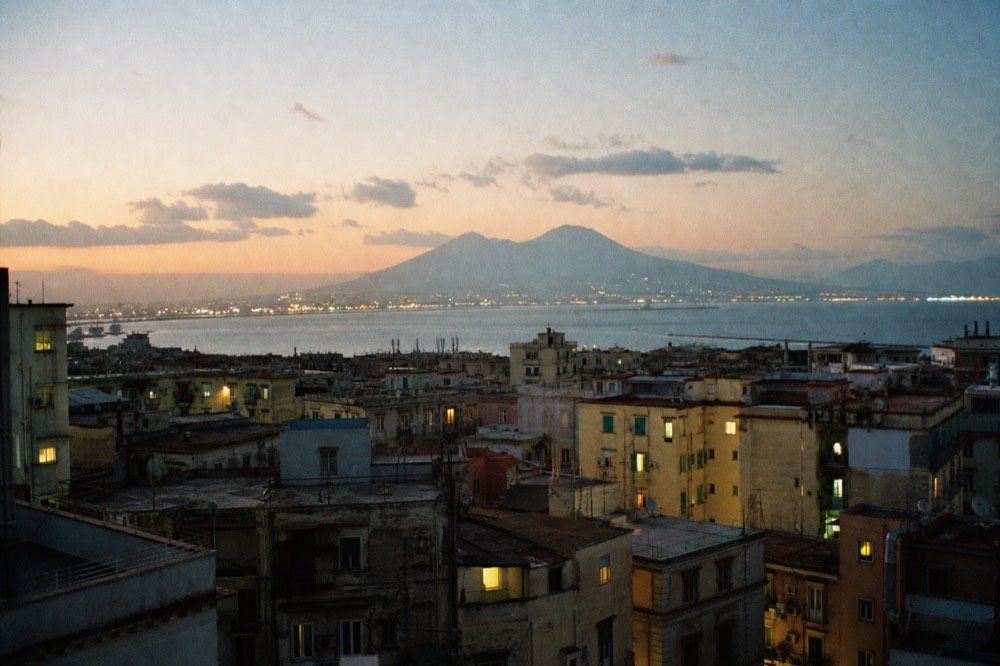
Chiaia is the smart district west of the center, and the Lungomare is the pedestrian seafront below it looking across the bay to Vesuvius. This is where Naples walks in the evening. Taralli 'nzogna e pepe from a stand, an aperitivo, and the best sunset in the city, all of it cheaper than it looks.
The contrast with the historic center is total. Wide streets, shops, sea air, no scooters cutting past your elbow. The eating is different too: more sit-down, more fish, more places with tablecloths, and a stretch of pizzerias along the water that trade partly on the view.
The genuinely local move here is the walk itself. From about six in the evening the Lungomare fills with families, couples and people with dogs, walking slowly in both directions with nothing to do. Buy a bag of taralli from a stand, eat them as you go, stop for a drink. It costs almost nothing and it is the most pleasant hour of a Naples day.
There is a seafront pizza-and-tiramisù class in this district too, if you want the view and a kitchen at the same time. Evening routes tend to end down here for exactly that reason, and the case for eating out on this side of the city at all is set out in whether Naples is worth visiting.
Vomero: the hill, the funicular and the fry counters
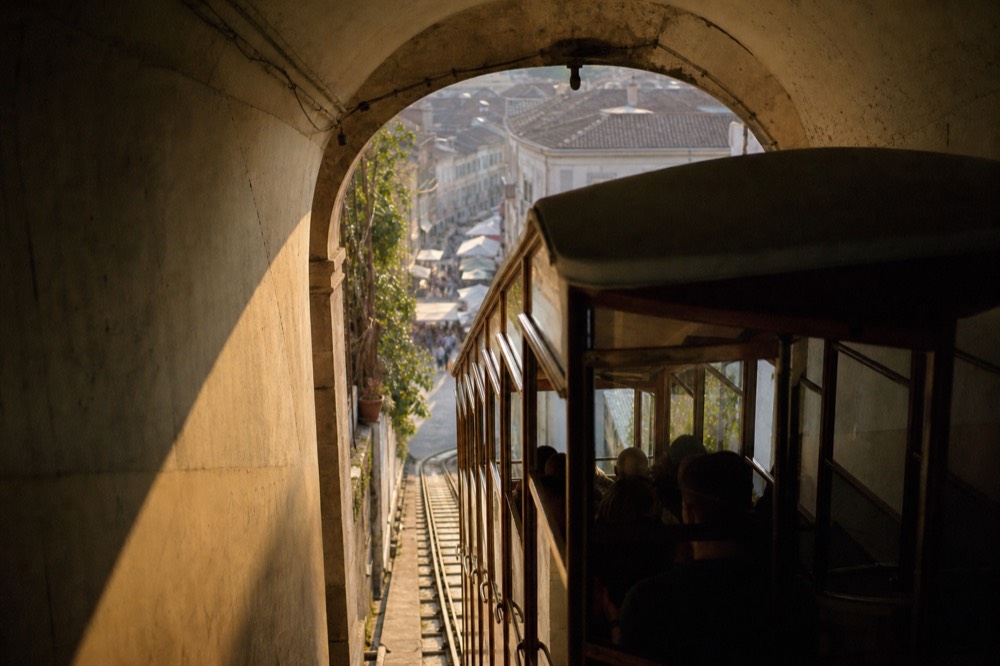
Vomero sits above the city, reached by funicular from several points below, and it is residential, comfortable and largely tourist-free. Its food speciality is fried: Friggitoria Vomero at Via Domenico Cimarosa 44 sells cuoppo at €3 to €6, open Monday to Saturday roughly 10:00 to 14:30 and 16:30 to 21:30, closed Sunday.
The funicular ride is part of the appeal, and it drops you into a neighborhood that feels like a different city: flat, ordered, full of people doing ordinary things. There is a hilltop fortress up here and a view over the entire bay, so the trip works even if the fry counter turns out to be shut.
Which it might be, because the split shift is the thing to plan around. Fry counters in Vomero close in the early afternoon and reopen around half past four with fresh oil, and that reopening is the single best moment to be standing there. Go up at four, walk the neighborhood for half an hour, eat at five.
Vomero is also the answer to a question people ask constantly: where do you eat well without a crowd? The answer is uphill. Several of the quieter recommendations in lesser-known food spots come from this side of the funicular, and the cuoppo you get here is the version the rest of the city is imitating.
Around Stazione Centrale: pastry, and one honest caveat
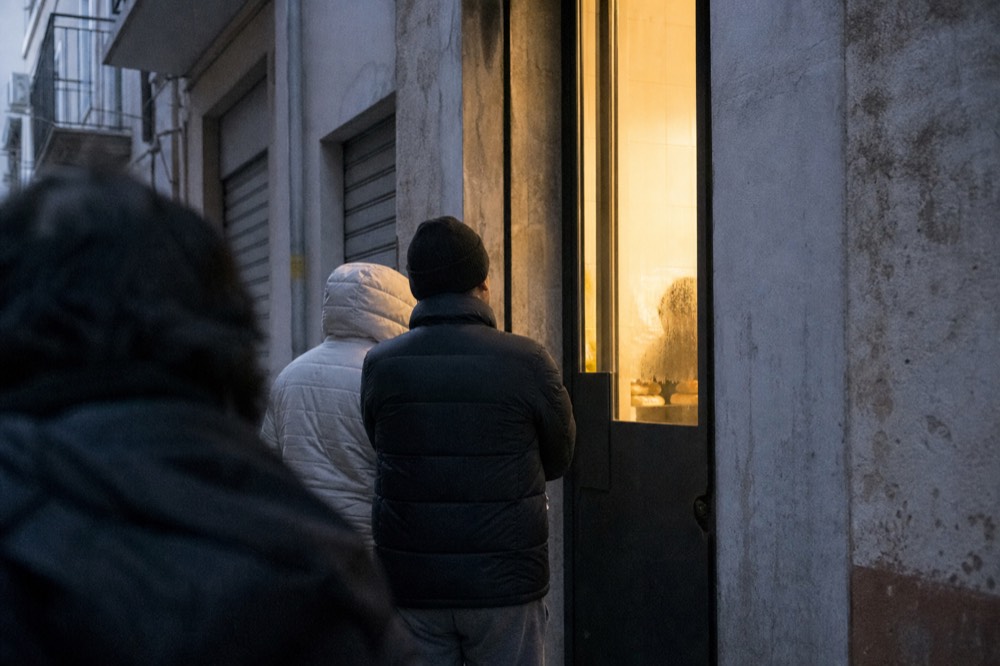
The station district is not a place to spend an evening, and it holds one of the best pastry counters in Naples. Attanasio, in the lanes just off the station, opens around 6:30am Tuesday to Sunday, closes Monday, and sells sfogliatella riccia at €2 to €2.50 and frolla at €1.50 to €2. Queues are normal.
This is the classic Naples contradiction. Piazza Garibaldi and the streets around it are functional, scruffy and busy, and travel advice consistently flags the area, along with nearby Forcella, for extra care at night. Daytime is generally fine. And yet the single best reason to set an early alarm in this city is a bakery three minutes from the platforms.
The practical version: go early, go in daylight, eat standing, walk back toward the center. A sfogliatella riccia straight off the tray at seven in the morning is a genuinely different pastry from one that has sat under glass since opening, and this is the counter people time their day around. Do not treat it as a dinner destination and there is no issue.
If you are arriving or leaving by train, this is also the most efficient food stop in the city, because it is the only classic that improves by being eaten at 6:45am. The Neapolitan breakfast covers the rest of the morning ritual, including why the coffee is drunk standing and why sugar is the default.
How safe is each neighborhood, and when?
Petty crime is the real risk in Naples: pickpocketing and bag snatching in crowded areas. Violent crime against visitors is rare. A dedicated tourist police unit was rolled out across high-traffic areas through 2025. The Quartieri Spagnoli has improved, and the areas flagged for care after dark are around Stazione Centrale and Forcella.
That is the whole picture, without either the fearmongering or the dismissal. Naples has a reputation built on decades-old coverage and a crime profile that, for a visitor, mostly consists of losing a phone in a crowd. Behaving as you would in any dense European city covers almost all of it: bag in front of you in a crush, phone in a pocket rather than a hand, nothing in a back pocket, no map open on a corner.
| District | Daytime | After dark | What to watch |
|---|---|---|---|
| Spaccanapoli and Via dei Tribunali | busy and straightforward | busy, lit and full of people | pickpocketing in the tightest, most crowded stretches |
| Quartieri Spagnoli | fine, and now a food destination | main lanes fine, smaller alleys warrant caution | stay on lit lanes, scooters use the alleys as through routes |
| Pignasecca and Montesanto | fine, but a dense market crush | quieter once the stalls pack up | bag in front of you in the morning crowd |
| Chiaia and the Lungomare | fine | the calmest evening district in the city | very little |
| Vomero | fine | fine, residential | very little |
| Around Stazione Centrale | generally fine | flagged for extra care | the standard advice is daylight only |
| Forcella | generally fine | flagged for extra care | same, and it sits close to the station area |
The honest counterweight is that Naples had roughly 15 million tourist stays in 2025, up about 4% on the year before, and the city has been openly weighing the benefits and burdens of that boom. A city absorbing that volume is not a dangerous one. It is a crowded one, and crowded is what you actually plan around. Our fuller take is in the honest safety picture.
Which neighborhood should you stay in for food?
Stay in the historic center if you want to walk everywhere and do not mind noise. Stay in Chiaia if you want quiet, sea air and a longer walk to the ovens. Montesanto puts you next to the market. The station area is cheap and convenient and worth it only if you are moving on quickly.
Distance is barely a factor, since the whole eating map is walkable end to end, so this is really a question about noise, price and what you want at 11pm. The historic center is loud until late and puts every pizza address within five minutes. Chiaia is calm, better for sleeping and a genuine walk from the ovens.
| Where to stay | Good for | Trade-off | Best for |
|---|---|---|---|
| Historic center, on or near the axis | walking to every pizzeria, late-night street food | noise until late, and daytime crowds outside the door | first-timers on a short trip |
| Chiaia and the Lungomare | quiet nights, sea air, evening walks | a longer walk to the pizza streets | second visits, and anyone travelling with family |
| Montesanto and Pignasecca | the market on your doorstep, real neighborhood feel | scruffier, and busy from early | anyone who wants a market morning every day |
| Vomero | calm, residential, views, fry counters | the funicular becomes part of every trip | longer stays |
| Around Stazione Centrale | cheap rooms, easy trains and day trips | least appealing area after dark | fast turnarounds and Pompeii day trips |
| Quartieri Spagnoli | the most atmosphere per euro | steep, narrow, scooters, and dark alleys at night | confident walkers who want the real thing |
Whichever you pick, the tourist tax lands the same way: €4.00 to €6.00 per person per night for 2026, set by accommodation class and collected at checkout.
A two-day route that links the districts together
Day one runs the axis: pastry near the station at seven, the historic center for folded pizza at eleven, Vomero for a cuoppo at five, seated pizza in the center after eight. Day two goes local: the Pignasecca at nine, the Quartieri Spagnoli in the afternoon, Chiaia and the Lungomare for the evening.
The reason to split it that way is that each day has exactly one queue in it. Stacking the market, a walking route and a famous pizzeria into one day means two of them involve waiting and the third involves standing, and Naples punishes that kind of scheduling with a very ordinary afternoon.
| Morning | Afternoon | Evening | |
|---|---|---|---|
| Day one | sfogliatella near the station before 9, then walk into the historic center | folded pizza on Via dei Tribunali at 11, then the churches and courtyards | funicular to Vomero at 4:30 for a cuoppo, back down for seated pizza after 8 |
| Day two | La Pignasecca from 9, market and a fry counter | Quartieri Spagnoli on foot, or a cooking class | Chiaia and the Lungomare, taralli and an aperitivo |
| If you have a third day | Montesanto again, for what you missed | Pompeii or the coast by train | a guided evening route in the center |
| If you have one day only | the historic center axis, early | folded pizza and a fry counter | seated pizza after 8, or an evening walk |
Evenings are the part most people get wrong, because they treat them as dinner rather than as the best hour of the day to walk. The pizza-and-drinks route through three different formats in one night is the neatest solution to that, and it runs when the day-trip crowd has gone: check which evenings still have space sits alongside the fully private option in private and evening food tours.
If you would rather link the districts yourself, the DIY walking route maps the whole sequence stop by stop, and guided street food walks covers the shorter versions if you only want one district done properly. There is also a premium small-group route worth a look if you want fewer people and more time at each counter: see how the small-group version is priced, or compare every tour we compare in one table.